
See Our Recents Blogs
-

How to feel more appreciated in work
Feeling unappreciated at work can be frustrating, especially when you put in a lot of effort, solve problems, and rarely receive recognition. Over time, it can affect your motivation, confidence, and satisfaction with your job. The good news is that there are practical ways to help others recognize your contributions while protecting your well-being. 1.…
-

How to Find Motivation in work
1. Start by Identifying What Is Draining You Instead of blaming yourself for feeling unmotivated, take a step back and examine your situation. Ask yourself a few questions: Try writing down your answers. Identifying the source of your dissatisfaction will help you determine whether you need small adjustments, better boundaries, or a more significant career…
-
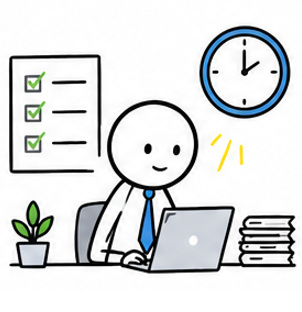
How to manage time during work
A practical system for maximum productivity 1. Start the day with 3 priorities Before opening emails or Teams/Slack, identify: Don’t make a list of 15 “priorities.” If everything is a priority, nothing is. 2. Protect your deep-work periods During your 08:30–10:00 block: Switching between tasks has a cognitive cost; minimizing interruptions can help maintain focus.…
-
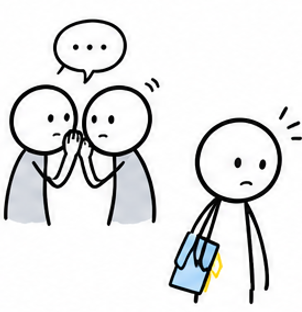
How to deal with a gossiper
If someone at work is spreading lies or talking badly about you, the best approach is usually to stay calm, avoid an emotional confrontation, and protect your reputation with facts. 1. Don’t immediately fight back It can be tempting to say, “Why are you lying about me?” or tell everyone what they did. This can…
-
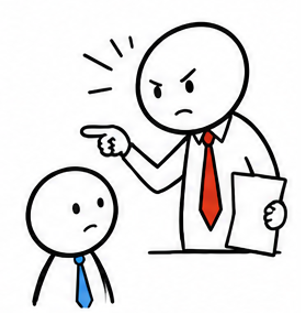
How to Deal With a Strict Boss
Having a strict boss can make your workday stressful. Constant deadlines, high expectations, frequent criticism, or a manager who seems difficult to please can leave you feeling anxious and exhausted. However, having a strict boss doesn’t necessarily mean you have to dislike your job or live under constant stress. With the right approach, you can…
-
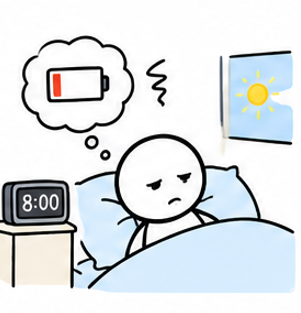
Why You Wake Up tired
After a long sleep time you feel always tired and sleepy seeking a cup of coffee, you are not alone don’t worry, and they are nothing wrong about it, in this acticle we will discuss why 8 hours doesn’t mean you’re fully rester, so what’s affects how you woke up? 1. Quality Matters More Than…
-
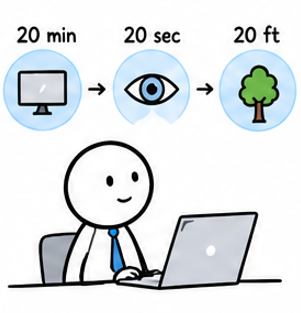
The 20-20-20 Rule
If you spend hours a day staring at a screen, you’ve probably come across the 20-20-20 rule: every 20 minutes, look at something 20 feet away for 20 seconds. 20-20-20 Rules Fix A big part of the problem is how we use our eyes when we’re on them. When you focus on something close up…
-
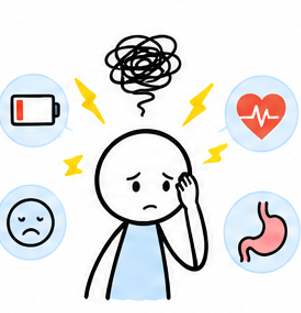
10 Signs That Work Stress Is Affecting Your Health
Little bit of stress at work is normal, most of people experiance it, it’s often coming from deadline, presentation, pressure… But if stress start getting controle on you affecting your sleep,mind and personal relationships, it’s not healthy. So we will discuss in this article about 10 signs of excessive stress from work. 1. Exhausted After…
-
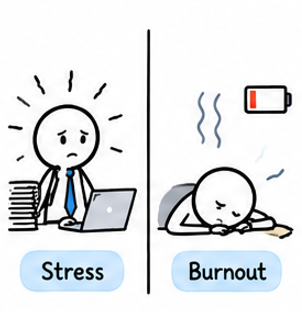
Work Stress vs Burnout: What’s the Difference?
If you’ve ever ended a workday feeling completely wiped out, you’ve probably wondered: is this just stress, or am I burning out? The two are related, but they aren’t the same thing and knowing which one you’re dealing with matters, because the fixes are different. What Work Stress Looks Like Stress is your body and…